
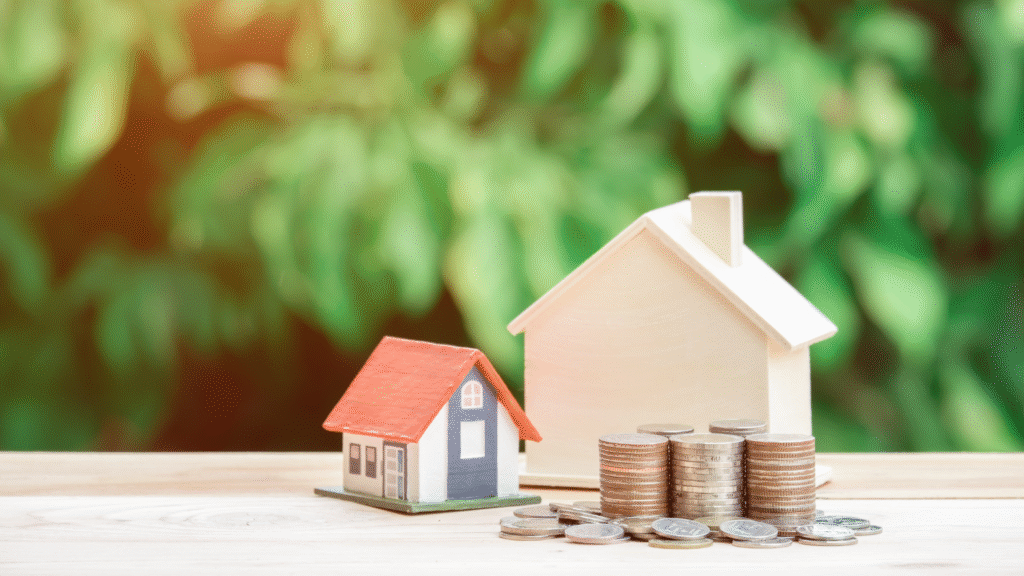
Urbanisation is reshaping cities around the globe, resulting in significant changes to the landscape and economy. As more people flock to urban areas in search of opportunities, the demand for housing and commercial spaces increases, leading to fluctuations in real estate value. Understanding the relationship between urbanisation and real estate value is crucial for investors and homeowners alike, as it directly influences market dynamics and property decisions.
The rapid growth of urban centres often leads to infrastructure development, improved amenities, and increased accessibility. These factors can boost property demand, driving up prices in desirable locations. At the same time, urbanisation can create challenges, such as overcrowding and increased competition among buyers, which might affect property values differently based on specific local conditions.
Overall, urbanisation presents both opportunities and risks for real estate. As cities continue to expand, stakeholders must remain informed about trends and patterns that affect real estate value. Recognizing these influences enables better investment strategies and helps individuals make informed decisions in an ever-evolving market.
Core Drivers of Urbanisation and Real Estate Value
Urbanisation is influenced by multiple factors that directly impact real estate values. Three critical drivers include population growth, economic advancements, and urban development initiatives. Each plays a pivotal role in shaping the dynamics of urban areas and their corresponding real estate markets.
Population Growth and Urban Expansion
Population growth is a primary catalyst for urban expansion. As more individuals migrate to urban centers seeking better opportunities, the demand for housing rises.
This increased demand leads to higher property prices, particularly in desirable locations.
Additionally, urban expansion results in the development of new residential areas to accommodate the growing population, which can also raise land values.
Regions experiencing significant population influx often see infrastructure improvements, further boosting real estate attractiveness.
Economic Growth and Investment
Economic growth stimulates urbanisation by creating jobs and attracting investments. As economic activity increases, more businesses establish themselves in urban areas, generating employment.
This influx not only enhances income levels but also increases the purchasing power of potential homebuyers.
Investment in commercial real estate often accompanies economic growth, leading to a more robust property market.
Furthermore, as businesses thrive, the overall urban environment becomes more appealing, drawing even more residents and investors.
Urban Development and Infrastructure
Urban development and infrastructure are essential for accommodating and sustaining population growth. Well-planned infrastructure, such as transportation systems, utilities, and public services, significantly enhances real estate value.
Areas with advanced infrastructure are often prioritized for new residential and commercial developments. To facilitate this, developers often integrate practical design solutions that enhance building functionality and support efficient infrastructure management. For instance, features like recessed floor access solutions, modular utility panels, and integrated service hatches can exemplify how advanced infrastructure allows buildings to operate smoothly while maintaining seamless and organized interiors.
Supportive policies that encourage urban development can also lead to the revitalization of neglected zones, increasing property demand, and elevating values.
Investors tend to favor locations with robust infrastructure, reinforcing the connection between urban development and real estate market strength.
Direct Effects of Urbanisation on Real Estate Markets
Urbanisation significantly influences real estate markets through shifts in housing demand, changes in planning policies, and evolving property types. These factors interplay to directly impact property values and investment opportunities.
Housing Demand and Price Fluctuations
Urban areas often see increased housing demand as people migrate for job opportunities and better living standards. This surge leads to competition among buyers, driving up property prices.
In areas experiencing rapid urbanisation, housing shortages can occur. This exacerbates price fluctuations, with prices rising sharply in sought-after locales. New developments may struggle to keep pace with demand, causing homeowners and investors to respond to these volatile market conditions. For example, those interested in homes for sale in Loveville md or similar locations elsewhere can track local price trends by researching recent sales data, comparing listing prices, and reviewing market reports. This kind of research helps homeowners and potential investors better understand pricing dynamics and make informed decisions in a fluctuating market.
Urban Planning and Zoning Policies
Urbanisation necessitates updated urban planning and zoning policies. City planners must account for population growth, requiring new infrastructure and residential zones.
Effective zoning can mitigate housing shortages by permitting higher-density developments. Local governments may implement policies that favor mixed-use developments, accommodating both residential and commercial needs. These changes can influence real estate transactions by allowing diverse property types to cater to varying demands.
Changing Property Types and Usage
As urbanisation progresses, the types of properties in demand evolve. Traditionally, single-family homes might give way to multi-family units or condominiums in densely populated areas.
This shift affects how residential real estate is valued. Properties that offer flexible usage—such as live-work spaces—gain appeal due to changing urban lifestyles. Investors may find opportunities in redeveloping existing properties to meet new housing demands.
Adapting to these trends ensures that the real estate market remains responsive to the needs of urban inhabitants.
Societal and Environmental Implications
Urbanization significantly influences housing affordability, quality of life, environmental sustainability, and social dynamics within communities. The rapid increase in urban populations affects various facets of urban living.
Housing Affordability and Quality of Life
Urban expansion often results in rising real estate values, making housing less affordable for many residents. As demand for housing increases, lower-income families may struggle to find suitable accommodation. Nations are witnessing a growing gap between high-demand urban areas and affordable housing availability.
Quality of life can decline when residents face long commutes due to distance from affordable housing. Proximity to essential amenities, such as schools and healthcare, typically correlates with higher property values. If affordable options are not considered in planning, cities may see a stratification of communities based solely on income. Decisions like how to choose where to live for your lifestyle often come down to considering commute times, available amenities, and recreational opportunities, which all play a role in overall satisfaction and well-being.
Environmental Impact and Climate Considerations
Urbanization contributes significantly to environmental stress through increased carbon emissions and loss of natural habitats. As cities expand, green spaces are often sacrificed for housing and infrastructure. This altered landscape can worsen urban heat effects and reduce biodiversity.
Addressing these challenges requires incorporating sustainable practices into urban planning. Implementing green roofs, urban forests, and efficient public transport can mitigate these effects. Furthermore, climate considerations must play a role in real estate development to create resilient urban environments capable of adapting to climate change impacts.
Social Cohesion and Demographic Changes
As urban areas grow, they become melting pots of diverse cultures and demographics. This demographic shift can foster social cohesion, bringing about collaborative community efforts and cultural exchange. Nevertheless, it also poses challenges in integrating different social groups.
Disparities in income and access to resources may create tensions among communities. Inclusive policies, aimed at promoting interactions among diverse groups, can enhance social cohesion. Cities that invest in community-building initiatives may better leverage diverse perspectives for innovation and growth.
Health and Education Influences
Urbanization directly affects public health and access. High-density living can lead to increased pollution levels, contributing to respiratory issues and other health risks. Conversely, well-planned urban areas may provide better access to healthcare services, promoting healthier populations.
Education access varies greatly within cities, often influenced by real estate values. Higher property prices in certain neighborhoods may restrict access to quality educational institutions for lower-income families. Bridging this gap requires investments in public education and equitable policies to ensure all children have access to quality education.
Market Dynamics, Investment, and Global Perspectives
Urbanization significantly influences market dynamics, shaping investment strategies and creating varied global perspectives. Factors such as finance, taxation, and innovation play crucial roles in determining real estate values across different regions.
Finance, Taxation, and Policy Impacts
Financial conditions such as mortgage interest rates, directly affect affordability and buyer sentiment in real estate markets. When rates rise, borrowing costs increase, often cooling demand and suppressing prices. Conversely, when interest rates drop, demand may surge, driving prices upward.
Taxation policies, including property taxes and capital gains taxes, also impact investment decisions. Subsidies can encourage development in urban areas, attracting investments. Government policies aimed at affordable housing can further influence market dynamics.
In many cases, proactive taxation policies can stimulate investment, while excessive taxation may deter it. Understanding local government strategies is essential for real estate investors navigating urban environments.
Innovation, Technology, and Urban Growth
Urban development and infrastructure are crucial for supporting growing populations and sustaining real estate markets. Efficient transportation, reliable utilities, and well-planned public services make areas more attractive to residents and investors alike.
Strong infrastructure often drives new construction, creating opportunities for modern communities. Buyers seeking quality, comfort, and convenience are increasingly turning to new homes in El Paso or elsewhere, where trusted builders design properties to meet contemporary living needs.
Policies that promote smart urban growth can also revitalize underdeveloped areas, boosting property demand and values. Investors favor locations with well-planned infrastructure, as these areas consistently show long-term potential in the real estate market.
Regional Trends: Europe, Middle East, Africa, and Austin
In Europe, urbanization trends focus on sustainability and affordable housing. Cities like Berlin and Amsterdam are experiencing gentrification, impacting property value significantly. Meanwhile, in the Middle East, rapid urban development is driven by significant investment, notably in cities such as Dubai.
Africa faces a unique set of challenges and opportunities with urbanization. Rapid population growth necessitates infrastructure development. Regions like Nairobi show promising growth in real estate values due to rising urban populations.
Austin exemplifies urban growth in the U.S., characterized by a booming tech industry and high demand for housing. This city’s real estate market is a microcosm of broader trends, with increased property values reflecting urbanization influences.
Risks, Uncertainty, and Future Investment Prospects
Investors face uncertainties in rapidly urbanizing environments. Political instability and economic shifts can affect market attractiveness. For example, changes in government policies surrounding taxation and subsidies can lead to unpredictability in investment returns.
Environmental risks, including climate change, potentially impact property values in vulnerable urban areas. As cities evolve, adaptability becomes vital for investors.
Future investment prospects hinge on technology integration and trends in remote work. Urban planners and investors must remain agile, adjusting to shifts in demand and consumer preferences as urban areas transform.